
21Shares to Distribute ETH and SOL ETF Staking Proceeds to Investors on March 31


21Shares will distribute staking proceeds from its Ethereum ETF (TETH) and Solana ETF (TSOL) to investors on March 31, 2026, the company confirmed in an official announcement. The payouts mark the first quarterly staking yield distribution of the year for both products, reinforcing the growing role of yield-bearing crypto ETFs in regulated markets.
21Shares Confirms March 31 Staking Distributions for TETH and TSOL
The asset manager announced on March 27 that TETH holders will receive $0.012530 per share, while TSOL holders will receive $0.016962 per share. Both distributions carry an ex-date and record date of March 30, 2026, with payments scheduled for March 31.
The proceeds represent the sale of staking rewards earned by each fund’s underlying crypto holdings, not a return of principal. Shareholders who hold TETH or TSOL as of the March 30 record date are eligible to receive the payout.
This is not the first time 21Shares has distributed staking yields from these products. Coin Bureau highlighted the issuer’s January 2026 TETH distribution, which paid $0.010378 per share, signaling that yields have increased modestly quarter over quarter.
⚡️21SHARES TO START ETH STAKING REWARD DISTRIBUTION
21Shares will distribute Ethereum staking rewards to holders of its Ethereum ETF (TETH), paying $0.010378 per share.
The ex-date and record date are January 8, 2026, with payment set for January 9, 2026. pic.twitter.com/oXoqoEgfNv
— Coin Bureau (@coinbureau) January 8, 2026
Source: @coinbureau on X
21Shares published a full 2026 distribution calendar in February, outlining four quarterly payouts for TETH (March 31, June 30, September 30, December 30) and five for TSOL, which includes an additional February distribution. The predictable schedule gives investors clear visibility into when staking income will arrive.
Shareholders are advised to consult tax advisors regarding the treatment of these distributions, as the proceeds stem from staking reward sales rather than traditional dividend income.
ETH and SOL Market Backdrop Adds Context to Staking Yields
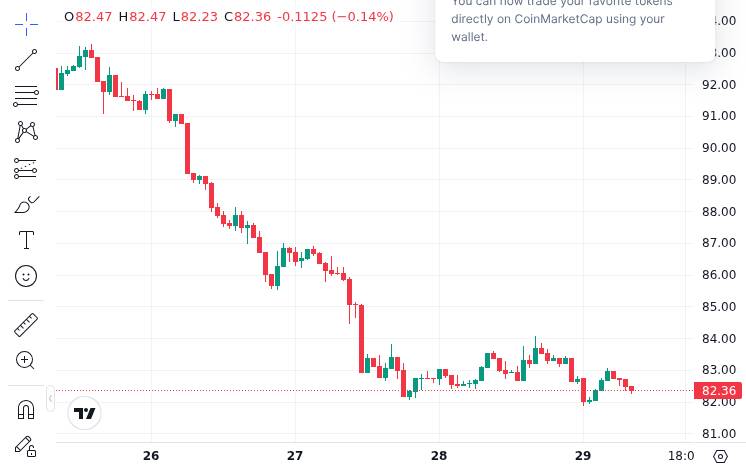
The distributions arrive during a period of broad market weakness. ETH is trading at approximately $2,001.97 with a market cap of roughly $241.6 billion, while SOL sits at approximately $82.36 with a market cap of about $47.1 billion.
The Crypto Fear & Greed Index has plunged to 9, firmly in “Extreme Fear” territory. In this environment, yield-generating products like staking ETFs offer investors a return stream beyond price appreciation, which may strengthen their appeal relative to non-staking alternatives.
The broader market downturn has weighed heavily on crypto assets across the board. As spot market volumes decline, regulated yield products become a more attractive option for investors looking to generate returns without taking on additional directional risk.
What Staking Proceeds Mean for ETF Holders
Unlike traditional equity dividends, staking distributions in crypto ETFs originate from on-chain validation activity. The fund stakes its underlying ETH and SOL holdings to help secure the respective blockchain networks, earns staking rewards in the native token, then sells those rewards and passes the proceeds to shareholders on a per-share basis.
This creates two distinct return streams for ETF investors: price appreciation (or depreciation) of the underlying asset, and periodic staking income. The March 31 TETH distribution of $0.012530 per share and TSOL distribution of $0.016962 per share represent the staking yield component alone.
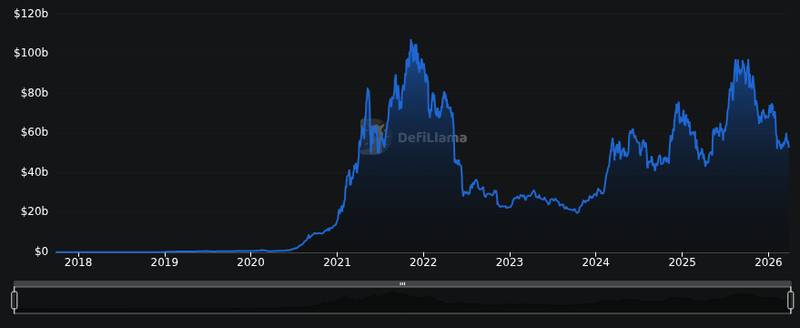
The Ethereum network’s staking ecosystem underpins the yield that TETH generates. With Ethereum’s DeFi ecosystem holding substantial total value locked, the network’s validator infrastructure remains robust enough to support consistent staking returns for institutional products.
For holders of record as of March 30, the process is automatic. No action is required to claim the distribution; it is paid out like a standard fund distribution through the investor’s brokerage account.
Staking-Enabled ETFs Reshape the Crypto Product Landscape
The ability to distribute staking rewards from U.S.-listed crypto ETFs represents a significant regulatory milestone. Under the current SEC leadership, staking within crypto ETF structures has been permitted, enabling issuers like 21Shares to pass through on-chain yield to ordinary investors through a regulated wrapper.
21Shares is not the only player in this space. Grayscale launched the first U.S.-listed spot staking ETPs for Ethereum and Solana in early 2026, and REX Shares also entered the market with staking-enabled ETH and SOL ETFs. The competition among issuers signals that yield distribution is rapidly becoming a standard feature for institutional-grade crypto products, much like how fee competition has intensified among Bitcoin ETF issuers.
21Shares differentiates itself through a transparent, pre-announced distribution schedule. By publishing quarterly (TETH) and five-times-per-year (TSOL) payout calendars, the issuer gives institutional allocators the predictability they need to model expected income, a feature that traditional crypto holdings cannot offer.
The March 31 distribution is part of the first full-year staking distribution cycle for TETH and TSOL in the U.S. market. With three more TETH payouts and four more TSOL payouts remaining in 2026, investors will have a full year of distribution data to evaluate the real-world staking yield these ETF products deliver. The trend toward yield-bearing regulated crypto products continues alongside developments like large-scale OTC token sales, reflecting a market that is maturing in its product offerings even during periods of fear.
Disclaimer: This article is for informational purposes only and does not constitute financial or investment advice. Cryptocurrency and digital asset markets carry significant risk. Always do your own research before making decisions.