


BlackRock’s Bitcoin ETF recorded net outflows as part of a broader pullback across spot BTC funds that saw roughly $1 billion in weekly withdrawals, adding pressure to a segment of the market that had drawn heavy institutional interest in recent months.
What to Know
- BlackRock’s spot Bitcoin ETF posted outflows, a notable shift for the largest issuer in the category.
- Spot BTC funds collectively recorded approximately $1 billion in weekly net outflows.
- The withdrawals suggest a broader cooling of short-term institutional demand for bitcoin exposure through regulated fund products.
BlackRock’s fund reversal stands out among bitcoin ETF issuers
BlackRock’s iShares Bitcoin Trust (IBIT), the largest spot bitcoin ETF by assets under management, posted net outflows in a reversal from the sustained inflows that had defined much of its trading history. The fund’s shift is significant because IBIT has consistently led the category in attracting new capital since its listing.
When the dominant fund in a product class turns negative, it signals that the selling pressure is not confined to smaller or less liquid competitors. BlackRock’s outflows suggest that even the most established bitcoin fund vehicles are seeing redemptions.
The development comes at a time when other bitcoin-adjacent stories continue to shape the market. Firms like Strive have been raising capital specifically to acquire bitcoin, while mining operations such as Bitdeer have continued selling freshly mined BTC, adding to circulating supply dynamics.
Spot BTC funds saw $1 billion exit in a single week
Across the full slate of U.S.-listed spot bitcoin ETFs, net outflows totaled approximately $1 billion over the course of the week. The figure reflects redemptions across multiple issuers, not just BlackRock, pointing to a category-wide trend rather than an isolated rebalancing event.
Spot bitcoin ETFs had been one of the primary demand-side drivers for BTC in recent quarters. A sustained reversal in fund flows would remove a key pillar of buying pressure that had supported prices during previous rallies.
While IBIT’s redemptions contributed to the weekly total, the billion-dollar figure was spread across the competitive landscape of spot BTC products, indicating that the sentiment shift was broad-based.
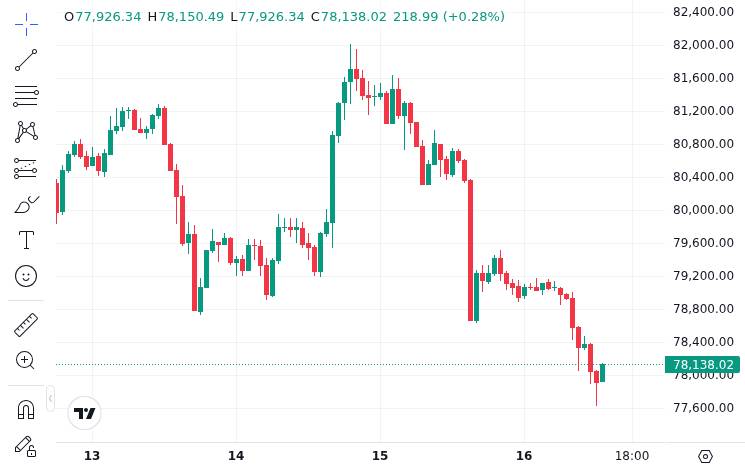
Earlier episodes of significant ETF outflows, such as those reported across both bitcoin and ethereum fund products, have typically coincided with periods of risk-off sentiment in the broader crypto market.
What the outflow pattern may signal for near-term positioning
ETF flow data is one of the most closely watched indicators of institutional sentiment toward bitcoin. When funds experience sustained outflows, it typically reflects defensive repositioning by allocators reducing risk or rotating into other asset classes.
The combination of BlackRock’s fund turning negative alongside the aggregate weekly withdrawal suggests that near-term demand for regulated bitcoin exposure has softened. This does not necessarily imply a bearish long-term outlook, but it does indicate that the marginal buyer through ETF channels has pulled back.
How regulatory developments shape the broader crypto landscape could also play a role in fund flows going forward. Proposals like the CLARITY Act could influence how institutional investors view regulated digital asset products beyond bitcoin.
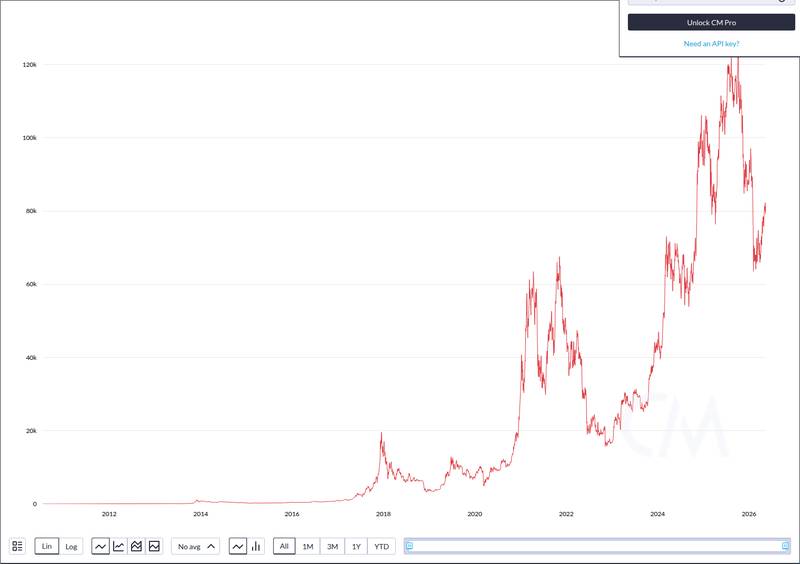
Farside Investors, which tracks daily ETF flow data, remains one of the primary public sources for monitoring net inflows and outflows across the full roster of U.S. spot bitcoin ETF products. The coming weeks will determine whether these withdrawals mark an isolated dip or a broader shift in institutional appetite.
Disclaimer: This article is for informational purposes only and does not constitute financial or investment advice. Cryptocurrency and digital asset markets carry significant risk. Always do your own research before making decisions.