


BlackRock is reportedly linked to a suspected $287 million Bitcoin transfer at a time when spot Bitcoin ETF flows have shown signs of weakening, drawing attention from market participants who track large wallet movements for clues about institutional positioning.
What to Know
- A suspected Bitcoin transfer worth $287 million has been linked to BlackRock, though the move has not been officially confirmed as a directional trade.
- The transfer comes during a period of declining Bitcoin ETF inflows, adding context but not certainty about the firm’s intentions.
- Investors are watching for follow-up wallet activity and ETF flow direction as potential signals of broader institutional sentiment.
What the Suspected $287 Million Transfer Shows
The reported movement of approximately $287 million in Bitcoin tied to BlackRock-associated wallets has sparked discussion across crypto markets. Large transfers of this size routinely attract scrutiny because they can precede exchange deposits, custody reshuffles, or over-the-counter settlements.
It is important to note that a wallet transfer does not automatically indicate buying or selling pressure. Institutional asset managers frequently move holdings between custodial wallets, cold storage solutions, and prime brokerage accounts for operational reasons that have nothing to do with market direction.
BlackRock operates the iShares Bitcoin Trust (IBIT), one of the largest U.S. spot Bitcoin ETFs. The fund’s prospectus outlines that the trust holds Bitcoin in custody on behalf of shareholders, meaning periodic wallet movements are part of normal fund operations.
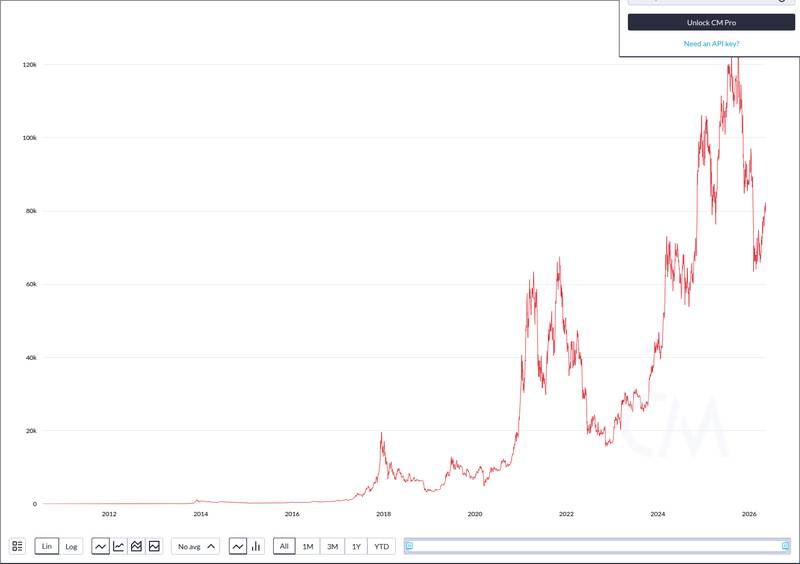
Without a confirmed transaction hash or official statement from BlackRock, the transfer should be treated as suspected rather than verified. Readers should be cautious about drawing firm conclusions from unconfirmed on-chain attribution.
Why Declining ETF Flows Add Context
The timing of this suspected transfer coincides with a broader softening in U.S. spot Bitcoin ETF inflows. Farside Investors ETF flow data tracks daily net movements across all listed spot Bitcoin funds, and recent trends have shown a deceleration from the stronger inflow periods seen earlier this year.
ETF flow direction has become one of the most closely watched sentiment indicators for Bitcoin since the U.S. spot products launched. When inflows slow or turn negative, it often reflects reduced demand from traditional finance allocators, similar to how broader crypto market pullbacks can signal shifting risk appetite.
The relationship between a single large wallet transfer and aggregate ETF flow weakness is contextual, not causal. A suspected custody movement by one fund manager does not explain or predict industry-wide demand trends. Readers should view the two data points as overlapping signals rather than a connected narrative.
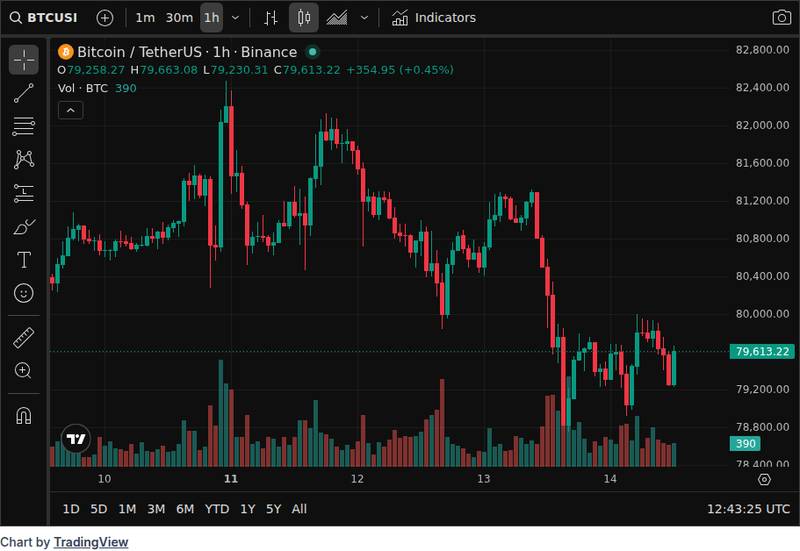
The distinction matters because institutional Bitcoin activity now spans ETF operations, direct custody, and corporate treasury strategies across multiple digital assets. A single transfer rarely tells the full story of positioning.
What Bitcoin Investors May Watch Next
For those tracking this story, several concrete indicators are worth monitoring in the days ahead. Additional wallet movements from addresses previously associated with BlackRock’s custodial infrastructure would provide follow-through evidence on whether this was a routine operation or part of a larger repositioning.
Daily ETF flow data remains the most accessible gauge of institutional demand. A sustained decline in net inflows across multiple fund issuers, not just IBIT, would carry more weight than any single day’s reading. Conversely, a return to strong positive flows would undercut the bearish framing.
Short-term Bitcoin sentiment gauges, such as the Fear and Greed Index, can offer a snapshot of how the broader market is interpreting events like this. However, sentiment readings are lagging indicators that reflect crowd behavior rather than predict it.
One suspected transfer, regardless of its size, does not confirm a broader market shift. Institutional Bitcoin activity has grown complex enough that exchange-level changes and fund-level movements can occur simultaneously for unrelated reasons. The clearest approach is to watch for patterns rather than react to isolated data points.
Disclaimer: This article is for informational purposes only and does not constitute financial or investment advice. Cryptocurrency and digital asset markets carry significant risk. Always do your own research before making decisions.