


Coinbase and Circle are reportedly bringing USDC to Hyperliquid, a move that could expand stablecoin access across one of the most active decentralized trading platforms in crypto.
What the Report Claims About USDC on Hyperliquid
According to a Coinbase blog post, the exchange is working to align markets on Hyperliquid to USDC. The initiative involves both Coinbase and Circle, the co-issuer of the dollar-pegged stablecoin.
Circle separately confirmed that USDC and CCTP V2 are now live on Hyperliquid. CCTP, or Cross-Chain Transfer Protocol, allows native USDC transfers between supported blockchains without the need for traditional bridging mechanisms.
The distinction matters. Rather than relying on wrapped or bridged versions of USDC, native support means traders on Hyperliquid can hold and transact in the same USDC issued directly by Circle. This reduces counterparty risk associated with third-party bridges.
It is worth clarifying that while Circle’s announcement describes a live integration, full details on the scope of Coinbase’s role in distribution and onboarding remain limited based on available reporting.
Why USDC Access Matters for Hyperliquid Traders
Hyperliquid has built a reputation as a high-throughput decentralized exchange focused on perpetual futures and spot trading. Native USDC support directly affects how users deposit collateral, settle trades, and move funds in and out of the platform.
Before native stablecoin integrations, DeFi traders on newer chains often relied on bridged assets. Bridged tokens carry additional smart contract risk, as exploits targeting bridge contracts have resulted in billions of dollars in losses across the industry. Native USDC eliminates that intermediary layer.
For Hyperliquid specifically, USDC as a base settlement asset could improve liquidity depth on trading pairs. Tighter spreads and more efficient collateral management tend to follow when a platform’s primary settlement currency is widely held and easily transferable. This development arrives as prediction markets and decentralized trading venues continue to attract institutional and retail attention alike.
What Coinbase and Circle Gain From Hyperliquid Distribution
For Circle, every new chain and protocol that adopts native USDC expands the stablecoin’s network effects. More venues holding USDC means more transaction volume, more demand for minting, and a broader competitive position against rivals like Tether’s USDT.
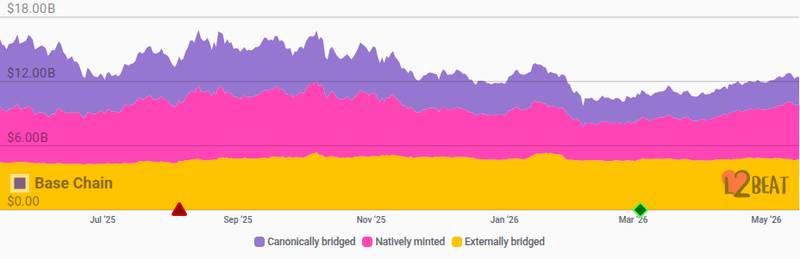
Coinbase, as both an exchange and a USDC co-creator, benefits from deeper integration with active DeFi ecosystems. If Hyperliquid users deposit and withdraw through Coinbase, it creates a direct on-ramp relationship. The move also aligns with Coinbase’s broader strategy around Base, its Layer 2 network built on the OP Stack.
The stablecoin market itself remains intensely competitive. Regulatory developments, including recent legislative debates around crypto regulation in the U.S., continue to shape how stablecoin issuers position themselves. Circle’s push to expand USDC across DeFi platforms reflects a strategy to build adoption ahead of potential regulatory frameworks that could formalize stablecoin oversight.
Whether Hyperliquid becomes a major USDC venue depends on sustained trading volume and user adoption. The platform’s existing activity in perpetual futures trading provides a foundation, but competing DEXs like established DeFi protocols are also vying for stablecoin liquidity.
The integration is live according to Circle’s announcement, but the full impact on Hyperliquid’s liquidity profile and USDC’s market share will take time to materialize as traders adjust their workflows and capital allocation.
Disclaimer: This article is for informational purposes only and does not constitute financial or investment advice. Cryptocurrency and digital asset markets carry significant risk. Always do your own research before making decisions.