

CryptoQuant has warned that Bitcoin profit-taking could increase further as the current price recovery shows characteristics of a bear market rally, raising questions about whether selling pressure from profitable holders will cap the rebound.
The on-chain analytics firm published research arguing that Bitcoin’s recent bounce is unfolding inside a broader bearish trend, with traders who bought at lower levels beginning to lock in gains. The analysis, shared via CryptoQuant’s QuickTake platform, frames the move as a rally that could stall if profit-taking accelerates. The Block also reported on the firm’s assessment of rising profit-taking risk during the bounce.
WHAT TO KNOW
- Core claim: CryptoQuant argues Bitcoin profit-taking could rise further during the current rally.
- Context: The firm classifies the rebound as a bear market rally, not a confirmed trend reversal.
- Implication: Increased selling from profitable holders may add resistance and limit upside.
Profit-taking refers to holders or traders selling Bitcoin after its price rises enough to generate a gain on their position. In a bear market rally, this dynamic can intensify quickly because participants who endured drawdowns are motivated to exit before prices potentially fall again.
Why Profit-Taking Pressure Matters More in a Bear Market Rally
A bear market rally is a temporary price recovery that occurs within a larger downtrend. It differs from a confirmed trend reversal because the broader market structure, including lower highs and weakened momentum, remains intact.
When Bitcoin rallies inside that environment, holders who were underwater begin to reach breakeven or move into profit. A separate CryptoQuant research note highlighted that Bitcoin was testing the traders’ realized price, a level where aggregate short-term holders flip from loss to profit, creating a natural zone of selling pressure.
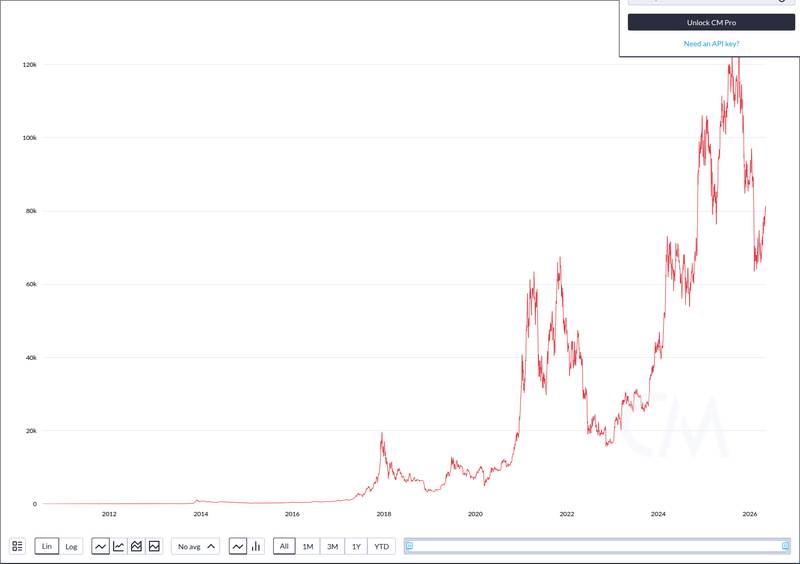
That selling pressure can cap upside momentum. As more holders reach profitability during the bounce, the pool of potential sellers grows. If buy-side demand does not match that selling, the rally loses steam and prices drift back toward prior lows.
What Traders Should Watch for Confirmation
Rather than predicting whether the rally will hold or fail, traders can monitor several categories of data to assess whether CryptoQuant’s thesis is playing out in real time.
Exchange inflow data is one of the most direct signals. When Bitcoin moves from private wallets to exchange wallets in large volumes, it often precedes selling. CryptoQuant’s own exchange reserve metrics track this flow. A sustained rise in exchange reserves during the rally would support the profit-taking thesis.
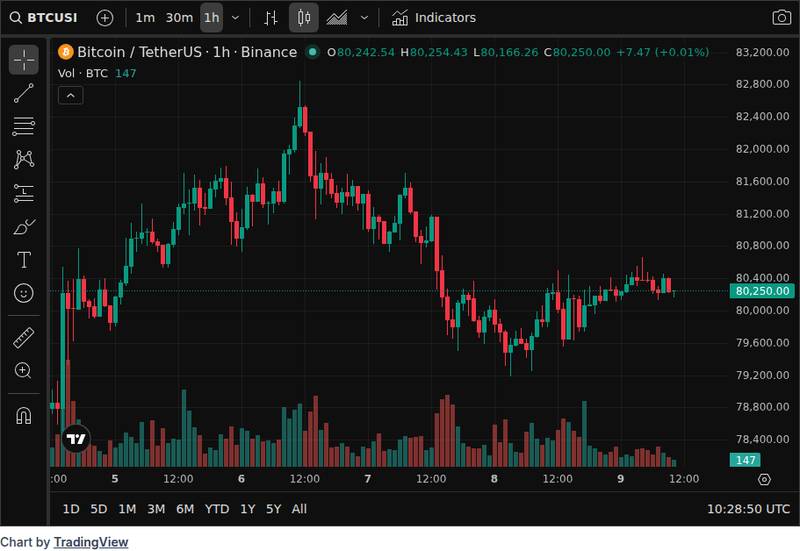
Derivatives data also matters. If the rally is built primarily on spot buying with healthy funding rates, it has a stronger foundation. Leveraged long positions, by contrast, make the bounce vulnerable to liquidation cascades that amplify any profit-taking selloff, as recent exploit-driven liquidations in wrapped Bitcoin markets have demonstrated.
On-chain realized profit metrics, which measure the aggregate dollar value of coins moved at a gain, provide the most direct read. A spike in realized profits alongside stalling price action would confirm that sellers are absorbing buy-side demand.
The broader market environment adds context. Stablecoin flows and the growth of tokenized money market products, such as Circle’s USYC fund surpassing $3 billion, can indicate whether capital is rotating into risk-off positions. Similarly, rising institutional capital flows into yield products like those from OpenTrade’s recently expanded platform may signal a preference for stability over spot crypto exposure.
CryptoQuant’s warning does not guarantee the rally will fail. It identifies a risk that becomes more pressing as prices climb: the higher Bitcoin goes during a bear market bounce, the more holders are incentivized to sell. Whether that pressure overwhelms demand is the question traders should track with data rather than prediction.
Disclaimer: This article is for informational purposes only and does not constitute financial or investment advice. Cryptocurrency and digital asset markets carry significant risk. Always do your own research before making decisions.