
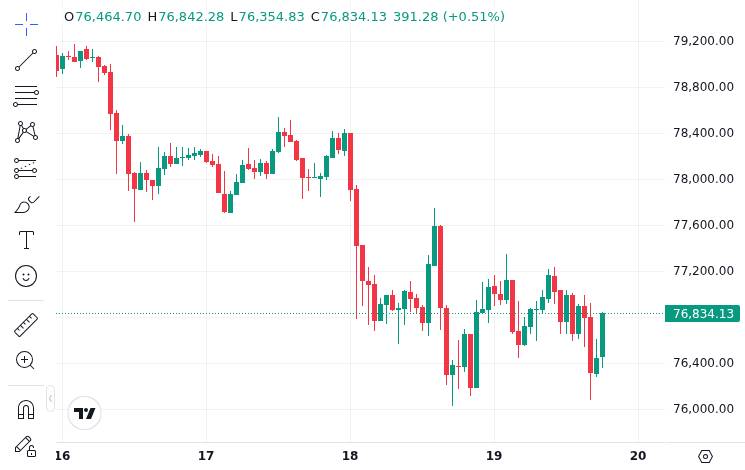
BlackRock has reportedly deposited 5,847 BTC, valued at approximately $450 million, into Coinbase, according to on-chain tracking data. The large transfer has drawn immediate attention from Bitcoin traders watching for signs of institutional repositioning.
What the Reported Transfer Involves
The reported deposit moved 5,847 BTC from wallets associated with BlackRock to Coinbase Prime, the exchange's institutional custody and trading arm. At current prices, the transfer carries an approximate value of $450 million.
What to Know
- Size: 5,847 BTC (~$450 million)
- Destination: Coinbase, a primary custody venue for U.S. spot Bitcoin ETFs
- Why it matters: Large institutional deposits to exchanges often trigger speculation about potential selling pressure or routine fund operations
The report is framed as a deposit, not a confirmed sale. Wallet activity tied to BlackRock's on-chain footprint has been tracked by blockchain intelligence platforms, though the specific transaction hash and timestamp have not been independently confirmed by this publication.
BlackRock operates the iShares Bitcoin Trust (IBIT), one of the largest U.S. spot Bitcoin ETFs, which uses Coinbase as its primary custodian. That relationship means transfers between BlackRock-linked wallets and Coinbase are not inherently unusual.
Why Exchange Deposits From Large ETF Issuers Draw Scrutiny
When a major institutional holder moves Bitcoin onto an exchange, market participants often interpret the action as a possible precursor to liquidation. That reading is not always correct, but it consistently moves sentiment.
Coinbase serves as the custodian for multiple spot Bitcoin ETFs, meaning deposits to the platform can reflect several routine activities. These include creation-and-redemption processing, custody reshuffling between cold and warm wallets, or internal rebalancing tied to fund inflows and outflows.
The distinction matters. A deposit linked to ETF redemption activity, where shareholders are selling IBIT shares and the fund must liquidate underlying BTC, carries different implications than a routine custody transfer. Without confirmed ETF flow data for the corresponding trading session, the intent behind the transfer remains ambiguous.
Recent developments in state-level crypto custody legislation have highlighted the growing infrastructure around institutional Bitcoin storage, making operational transfers between custodians and exchanges increasingly common.
What Traders and ETF Watchers May Look For Next
The first signal traders will monitor is whether additional wallet movements follow. A single large deposit that remains stationary on the exchange suggests custody management. A series of deposits followed by outflows to trading desks would point toward active liquidation.
ETF flow disclosures, which are published with a short delay, will provide more concrete context. If IBIT reported net outflows on the same day as the deposit, the transfer would more plausibly align with redemption activity. Net inflows, by contrast, would suggest the movement was operational rather than directional.
Short-term Bitcoin price action often reacts to perceived institutional activity before the underlying intent is confirmed. Similar large-scale token movements across the crypto market have recently prompted rapid shifts in trader positioning, regardless of whether the transfers ultimately resulted in sales.
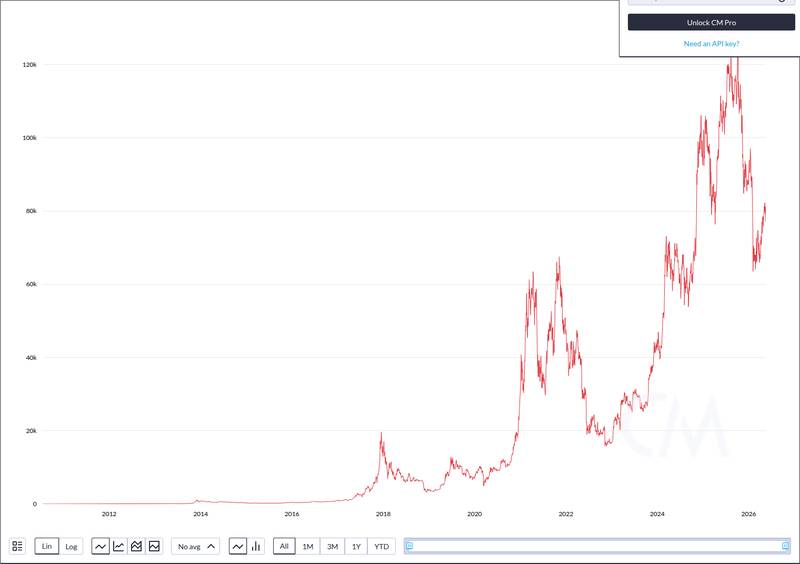
On-chain analysts tracking iShares digital asset products will also watch for changes in BlackRock's total on-chain BTC holdings over the coming days. A net decline would confirm distribution, while stable or growing balances would indicate the Coinbase deposit was part of normal fund operations.
Broader exchange flow trends, including whether other ETF custodians see similar deposit patterns, could also help contextualize the move. Incidents like the recent Versus-Ethereum bridge exploit have reminded market participants that large on-chain movements always warrant careful verification before drawing conclusions.
One deposit, even one worth $450 million, does not prove a directional thesis. Confirmed ETF flow data and follow-up wallet activity will determine whether this transfer was routine or meaningful.
Disclaimer: This article is for informational purposes only and does not constitute financial or investment advice. Cryptocurrency and digital asset markets carry significant risk. Always do your own research before making decisions.