
VanEck and Grayscale have filed fresh amendments to their respective BNB ETF proposals, signaling that both asset managers remain actively pursuing regulatory approval for a spot exchange-traded fund tied to Binance's native token.
What the Fresh BNB ETF Amendments Signal
VanEck submitted an amended S-1 registration statement for its proposed BNB trust, while Grayscale filed its own second S-1 amendment for a similar product. Both filings were submitted to the U.S. Securities and Exchange Commission.
Amended S-1 filings are a routine but meaningful step in the ETF approval process. They indicate that issuers are responding to SEC feedback or refining their proposals rather than letting applications sit idle.
The fact that two major issuers updated their BNB filings in close proximity suggests coordinated momentum. When multiple firms push forward simultaneously, it often reflects shared confidence that the regulatory environment is shifting enough to warrant continued investment in the application process.
Why BNB Is Back in the ETF Conversation
BNB stands as one of the largest altcoins by market capitalization, yet it has received less ETF attention than assets like Bitcoin, Ethereum, or Solana. The renewed filing activity from VanEck and Grayscale places BNB squarely in the growing altcoin ETF narrative that has gained traction in 2026.
Issuer competition around a single asset tends to accelerate regulatory timelines. The SEC has historically moved faster on products where multiple firms have pending applications, as seen with spot Bitcoin ETFs in early 2024.
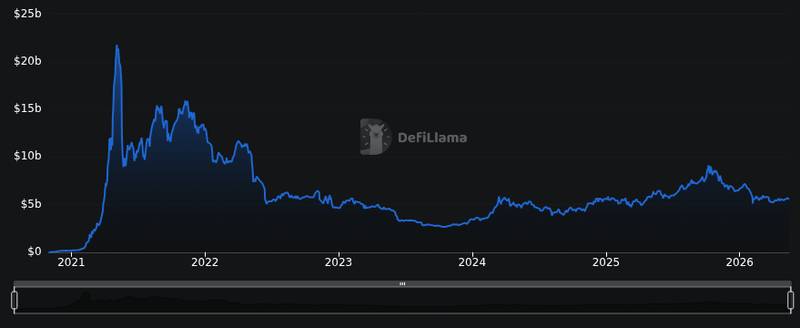
BNB Chain continues to maintain a significant presence in decentralized finance, providing a fundamental use case beyond exchange utility that could support the investment thesis in ETF filings. The network's DeFi activity and total value locked give issuers additional arguments for market depth and liquidity in their proposals.
The broader ETF landscape has been active across crypto assets this year. Even established products like Ethereum ETFs have faced fluctuating investor flows, underscoring how volatile demand can be for crypto investment vehicles beyond Bitcoin.
Traditional finance institutions have also been expanding their crypto footprint. Major European banks have disclosed increased crypto positions in recent quarters, reflecting broader institutional appetite that firms like VanEck and Grayscale are seeking to capture through new ETF products.
What Investors and Traders Should Watch Next
The amended filings open several regulatory checkpoints worth monitoring. The SEC can respond with further comments, request additional amendments, or move the applications toward a decision on the associated 19b-4 exchange rule changes needed for listing.
Traders should watch for any public comment periods that the SEC may open in connection with these proposals. Comment periods often generate market attention and can influence both the pace and outcome of the review process.
Further revisions from either VanEck or Grayscale would signal that the SEC is actively engaging with the applications rather than sidelining them. Conversely, extended silence from regulators could indicate the proposals face structural hurdles.
The crypto industry's evolving relationship with regulators adds context here. Developments like Binance's increased cooperation with authorities on illicit fund seizures may factor into how the SEC evaluates products linked to the BNB ecosystem. Whether these ETF proposals reach the finish line will depend on how regulators weigh the token's market structure, custody solutions, and surveillance-sharing agreements.
Disclaimer: This article is for informational purposes only and does not constitute financial or investment advice. Cryptocurrency and digital asset markets carry significant risk. Always do your own research before making decisions.