


Total stablecoin supply has crossed $300 billion for the first time, but the pace of growth behind that milestone is slowing, according to a recent report. The mixed signal raises questions about whether crypto market liquidity is plateauing even as the asset class scales to new highs.
What the $300 Billion Milestone Signals
The stablecoin market reaching $300 billion in total supply marks a significant threshold for the crypto industry. Stablecoins serve as the primary on-ramp and settlement layer for digital asset trading, and the figure reflects how deeply embedded they have become in crypto market infrastructure.
The milestone also underscores the degree to which institutional and retail capital now sits in dollar-denominated digital assets. Tether’s USDT and Circle’s USDC account for the vast majority of that supply, and both have expanded their issuance steadily over the past year.
A CoinTelegraph report noted that while supply has reached record levels, the rate of new issuance has decelerated. That distinction between the absolute level and the rate of change is where the real story lies.
Why Slowing Growth Momentum Matters
Reaching a new all-time high in supply while simultaneously growing at a slower pace creates a tension that traders and analysts watch closely. A decelerating growth rate can suggest that fresh capital inflows into crypto are tapering, even if existing capital remains parked in stablecoins.
The slowdown may partly reflect regulatory uncertainty. The Federal Reserve’s May 2026 Financial Stability Report flagged stablecoins as an area of ongoing supervisory focus, and pending U.S. legislation around stablecoin reserves could be affecting issuer behavior.
For traders, slowing stablecoin growth can temper bullish expectations. Rising supply has historically correlated with upward price pressure across major tokens, as new stablecoins typically flow into spot and derivatives markets. A plateau in that growth rate removes one of the tailwinds that recent crypto rallies have relied on.
Implications for Crypto Market Liquidity
Stablecoins function as the liquidity backbone of decentralized finance. Protocols across lending, trading, and yield strategies depend on stablecoin deposits to operate. The $300 billion supply level means there is more available liquidity than ever before, but the slowing growth suggests that the rate of new liquidity entering the system is leveling off.
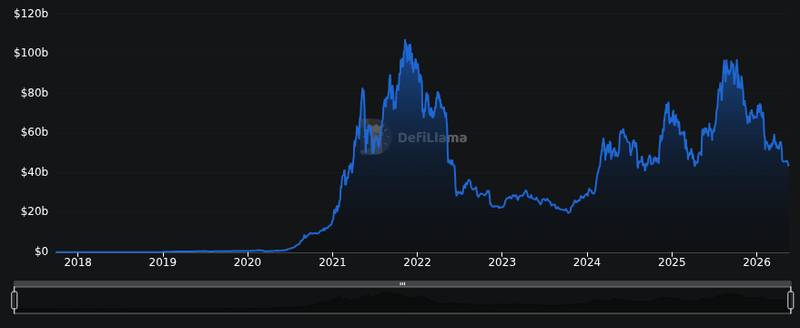
That dynamic matters for decentralized exchanges and lending protocols that rely on deep stablecoin pools to maintain tight spreads and competitive rates. If growth stalls further, competition for stablecoin deposits among DeFi protocols could intensify.
The broader regulatory backdrop adds another layer. As U.S. lawmakers debate stablecoin legislation, issuers face potential new reserve and transparency requirements that could affect how quickly supply expands going forward.
For now, the $300 billion figure confirms stablecoins as a permanent feature of global digital finance. Whether growth reaccelerates will depend on regulatory clarity, macro conditions, and whether new use cases beyond trading, such as cross-border payments and tokenized asset settlement, drive fresh demand.
Disclaimer: This article is for informational purposes only and does not constitute financial or investment advice. Cryptocurrency and digital asset markets carry significant risk. Always do your own research before making decisions.