

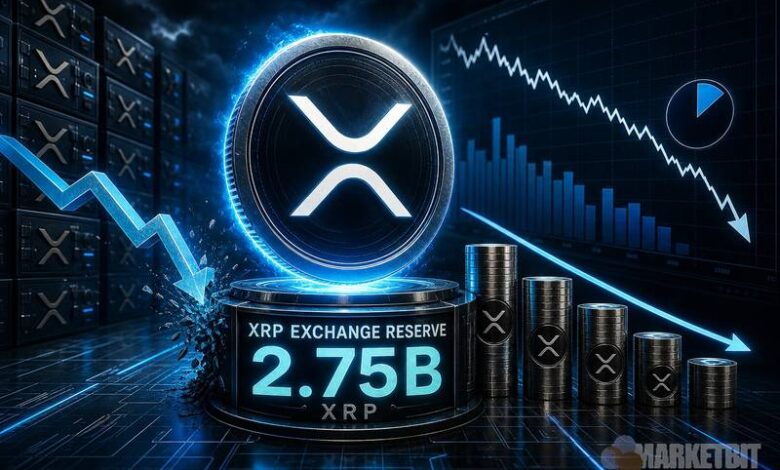
XRP exchange reserves have dropped to approximately 2.75 billion tokens, signaling a shift in how holders are positioning the asset across major trading platforms.
The decline was flagged by on-chain analytics platform CryptoQuant, which tracks exchange reserve data for major cryptocurrencies. Exchange reserve refers to the total amount of a given token held in wallets controlled by centralized exchanges. When that number falls, it typically means tokens are moving off exchanges into private wallets, cold storage, or other non-exchange destinations.
XRP Exchange Reserve Drops to About 2.75 Billion
The XRP exchange reserve falling to about 2.75 billion represents a notable reduction in the supply readily available for trading. Reserves on Binance, the largest exchange by volume, have been a key contributor to the drawdown, according to a CryptoQuant QuickTake analysis.
A declining reserve means there are fewer tokens sitting on exchanges ready to be sold. For XRP, this shift has drawn attention because it coincides with broader market activity around the token, including ongoing community debates involving the Cardano founder and XRP supporters.
What Lower Exchange Reserves Can Signal for XRP Supply
When tokens leave exchanges, it reduces the pool of immediately sellable supply. This can reflect holders choosing longer-term custody over active trading, or it can indicate accumulation by larger wallets moving assets into self-custody.
Lower reserves do not guarantee upward price movement. Tokens can move off exchanges for many reasons, including transfers between wallets, movement into DeFi protocols, or simply a preference for self-custody. The metric is a supply-side signal, not a price predictor.
When fewer tokens sit on exchanges, the immediate liquidity available to sellers contracts. That can amplify price moves in either direction if demand shifts suddenly. The context around Ripple CTO David Schwartz’s recent XRP-related activity adds another layer of community attention to the token at a time when reserve data is already drawing scrutiny.
What Traders Should Watch After the XRP Reserve Decline
A single reserve snapshot is not a trend. The key question now is whether the 2.75 billion level holds, continues to decline, or reverses as tokens flow back onto exchanges. Sustained outflows would reinforce the accumulation narrative; a quick rebound would suggest the move was temporary.
Trading volume is the natural companion metric. If reserves keep falling while spot volume rises, it would suggest active demand is absorbing available supply. If volume stays flat or drops alongside reserves, the signal is weaker and may reflect passive wallet reorganization rather than conviction-driven accumulation.
Derivatives positioning also matters. Open interest and funding rates on XRP perpetual contracts can indicate whether leveraged traders are leaning bullish or bearish alongside the spot reserve shift. As broader institutional interest in crypto assets grows, on-chain reserve metrics like this one are becoming a more closely watched signal across the market.
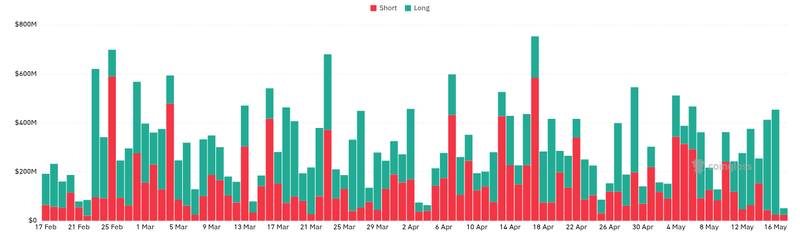
Reserve changes become meaningful when they persist over days or weeks, not hours. Traders should monitor whether the exchange reserve trend holds alongside XRP trading activity before drawing conclusions about near-term positioning.
Disclaimer: This article is for informational purposes only and does not constitute financial or investment advice. Cryptocurrency and digital asset markets carry significant risk. Always do your own research before making decisions.