


The Bhutanese government has net sold approximately $120 million in Bitcoin year-to-date in 2026, steadily reducing its sovereign BTC stack through a series of exchange transfers that have accelerated through March.
Bhutan Net Sells $120M in BTC Year-to-Date 2026
Bhutan originally built its Bitcoin reserve through state-run hydroelectric mining operations, leveraging cheap surplus energy to mine BTC at scale. The country stood as one of the few sovereign nations to accumulate a meaningful Bitcoin position through direct mining rather than open-market purchases.
That position has been shrinking rapidly. By early March, Bhutan’s sovereign holdings had fallen below 5,400 BTC, with $42.5 million in outflows recorded at that point.
The $120 million net-sold figure represents a significant drawdown of the sovereign stack. Separate flow analysis placed total sell-side volume even higher, at approximately $152 million.
The discrepancy between the two figures likely reflects different measurement windows and whether gross or net flows are counted. Regardless, Bhutan has been a consistent net seller throughout Q1 2026.
Exchange Deposit Activity Confirms Government Wallet Outflows
The pace of liquidation has accelerated into late March. On March 26, Bhutan moved another 500 BTC to exchanges, pushing cumulative 2026 outflows past $150 million. The transfer pattern suggests spot-exchange routing rather than OTC desk settlement.
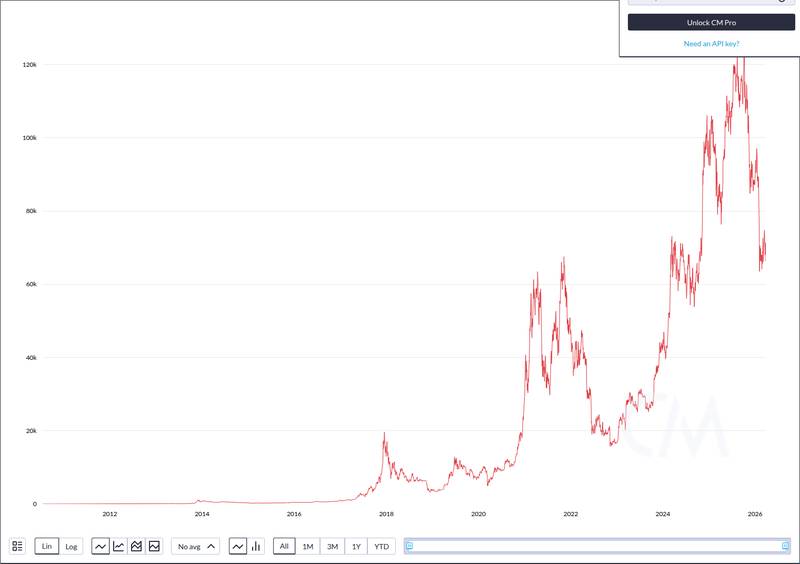
On-chain data shows a consistent pattern: steady outflows from identified government-linked wallets to exchange deposit addresses throughout Q1 2026. The timeline of transfers broadly tracks the declining BTC balance reported across multiple sources.
Bhutan has not publicly commented on the rationale behind the sales. Whether the motivation is fiscal need, portfolio rebalancing, or a broader policy shift remains unclear. What blockchain data confirms is the directional trend: sell, consistently, since January.
$120M in Sovereign Selling vs. Daily BTC Volume
Bhutan’s sell-down, while notable as a sovereign event, is modest relative to daily BTC spot volume. Bitcoin typically trades between $15 billion and $30 billion per day across major exchanges. Spread over three months, $150 million represents a fraction of daily liquidity.
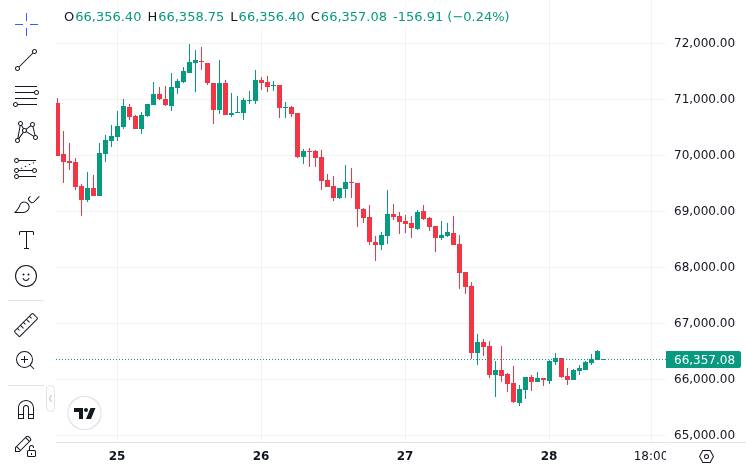
For scale, Germany’s federal government sold roughly $2.9 billion in seized BTC during mid-2024, a liquidation event roughly 20 times larger that did produce measurable short-term price impact. Bhutan’s sales, by contrast, appear to have been absorbed without significant disruption to Bitcoin’s price structure.
The key risk is whether the remaining holdings get liquidated. If Bhutan’s stack has dropped to around 5,000 BTC or below, the remaining position could be worth roughly $400 million to $500 million. A full exit would represent a more concentrated sell event than the gradual drawdown seen so far.
Meanwhile, crypto open interest recently reached $30 billion, the highest level since January, suggesting derivatives markets remain active despite sovereign sell-side pressure. The broader question of how institutional positioning in crypto is evolving extends beyond a single sovereign seller; stablecoin adoption is accelerating as a separate institutional narrative, while individual asset outlooks like XRP’s projected April performance show that market participants are still pricing risk selectively rather than retreating broadly.
If Bhutan liquidates its remaining BTC, spot absorption at current daily volume levels would require minimal additional days of normal trading depth. But the signal matters more than the size: sovereign sellers exiting Bitcoin positions, however small, shift the narrative around government-held crypto reserves.
Disclaimer: This article is for informational purposes only and does not constitute financial or investment advice. Cryptocurrency and digital asset markets carry significant risk. Always do your own research before making decisions.