


BlackRock’s spot Bitcoin ETF, the iShares Bitcoin Trust (IBIT), recorded a single-day outflow of $201,670,000 in BTC, according to a report circulating on Telegram. The redemption marks one of the larger single-session sell-offs from the world’s biggest spot Bitcoin ETF by assets under management.
BlackRock ETF Records $201.67M Bitcoin Outflow
What to Know
- Outflow size: $201,670,000 worth of Bitcoin redeemed in a single session
- ETF identity: BlackRock iShares Bitcoin Trust (IBIT), the largest spot Bitcoin ETF globally
- Market timing: The outflow comes during a period of mixed ETF flow signals across the U.S. spot Bitcoin ETF landscape
The $201.67 million outflow represents net redemptions from IBIT, meaning investors returned shares in exchange for the underlying Bitcoin or its cash equivalent. ETF outflows of this magnitude from a single issuer are notable but not unprecedented for IBIT.
BlackRock’s IBIT has consistently ranked as the dominant spot Bitcoin ETF since the product category launched in the United States. The fund manages the largest share of assets among all U.S. spot Bitcoin ETFs, making its daily flow data a closely watched indicator of institutional appetite for BTC exposure.
This is not the first time IBIT has experienced significant redemption pressure. In late 2025, BlackRock’s Bitcoin ETF lost $2.7 billion during what was then its longest consecutive outflow streak. That episode demonstrated how quickly institutional flows can reverse even for the most liquid Bitcoin fund on the market.
What the Sell-Off Signals for Institutional Sentiment
A single-day redemption of $201.67 million is significant in isolation, but context matters. BlackRock manages trillions of dollars in total assets across all products; a $201M move from one ETF represents a small fraction of the firm’s overall book.
Large ETF outflows can reflect routine portfolio rebalancing, profit-taking after a run-up, or broader risk-off rotation across asset classes. A single session of net selling does not, on its own, confirm a structural shift in institutional conviction toward Bitcoin.
The distinction between an isolated redemption event and a sustained outflow trend is critical. When IBIT experienced its late-2025 outflow streak, the cumulative impact reached billions. Whether this $201.67 million outflow marks the start of a similar pattern or stands alone will depend on flow data over the coming sessions. Traders tracking this space may find useful context in how Morgan Stanley’s recent entry into the spot ETF market has reshaped the competitive landscape for institutional Bitcoin products.
The broader ETF flow environment has been mixed in 2026. Earlier this year, U.S. spot Bitcoin ETFs added $1.1 billion in just three days, marking their strongest weekly performance in six weeks. That episode showed how quickly sentiment can swing in either direction.
Bitcoin Price Reaction and What Traders Are Watching
Large ETF outflows can create short-term sell pressure on Bitcoin’s spot price because the fund must liquidate BTC holdings to meet redemptions. The degree of price impact depends on how the market absorbs the selling and whether other ETF issuers are experiencing simultaneous outflows.
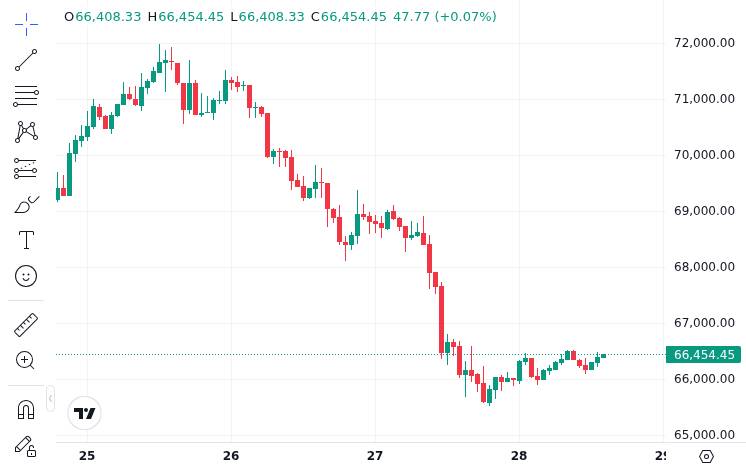
Whether Bitcoin is trading near key support or resistance levels at the time of a large outflow determines how much the news moves the market. A $201M sell in a low-volume session carries more weight than the same figure during a high-liquidity period. Sovereign-level Bitcoin holders have also been active recently; Bhutan sold $120 million in BTC, cutting its sovereign holdings in a move that added to broader selling pressure.
Traders will be watching several data points in the coming days. First, whether other major ETF issuers, including Fidelity’s FBTC, Ark’s ARKB, and Bitwise’s BITB, report similar outflows. Concentrated selling from one issuer tells a different story than industry-wide redemptions. Flow data from platforms like CoinGlass will provide the clearest picture of whether this is an isolated event.
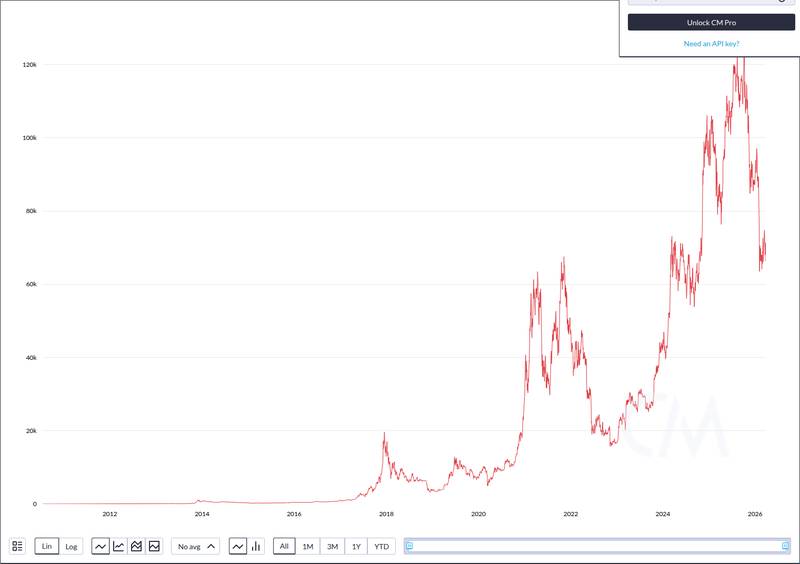
Second, Bitcoin’s ability to hold current price levels in the face of this outflow will signal how much organic buying demand exists outside of ETF channels. If spot price remains stable despite the $201.67 million redemption, it would suggest that underlying market demand is absorbing the sell pressure without difficulty.
For those tracking the broader altcoin landscape, XRP’s historical price patterns heading into April offer a separate but related lens on how institutional flow shifts in Bitcoin can ripple across the wider crypto market.
Disclaimer: This article is for informational purposes only and does not constitute financial or investment advice. Cryptocurrency and digital asset markets carry significant risk. Always do your own research before making decisions.